

Description
snorting ketamine: Effects, Dosage and What to Expect
Ketamine is a dissociative anesthetic. People widely know it for IV and IM medical use. But snorting ketamine has become a common method for nonmedical and recreational use. While effective, intranasal administration differs significantly from injectable routes in onset, intensity and duration.
This guide explains what happens when you inhale ketamine powder through your nose.
The Journal of Psychoactive Drugs and clinical observations provide the evidence for it.
How Intranasal Ketamine Works
Ketamine hydrochloride is the standard salt form used in both medical and research settings. When you snort it, the powder enters the nose lining and goes straight into your bloodstream. This bypasses the digestive system, leading to a much faster onset than swallowing the drug.
However, nasal absorption is less efficient than injection. A significant portion of the drug is either swallowed with mucus or remains unabsorbed, meaning the “bioavailability” is lower. Estimates suggest that intranasal bioavailability ranges between 15% and 20%, compared to near 100% for IV administration.
The Experience: Onset, Peaks and Duration
The effects of snorting ketamine are distinct from other dissociatives like PCP or DXM. Users often feel detached from their body and surroundings. At higher doses, this is often called a “K-hole.”
- Onset: Effects usually begin within 5 to 15 minutes after insufflation. This is faster than oral ingestion (which can take 30–60 minutes) but slower than IV injection (which is near-instant).
- Peak Effects: The peak intensity typically occurs between 30 and 60 minutes after snorting. This is the window where dissociation, anesthesia and sensory alteration are most pronounced.
- Duration: The primary effects generally last 1.5 to 2.5 hours. A residual “afterglow” or mild grogginess can persist for several hours after the main effects subside.
Dosage Guidelines for Intranasal Use
Because nasal tolerance builds quickly and absorption varies from person to person, dose ranges can be broad. Below is a general breakdown of effects based on intranasal intake:
Dose RangeExperience LevelDescription40–75 mgThreshold to LightEuphoria, mild dissociation, increased sociability. Mental clarity remains largely intact.75–150 mgModerateDistinct body heaviness, visual alterations, slowed reaction time.
“Trance” state begins.150–250 mgStrongDeep dissociation, significant motor impairment (“K-hole”), memory lapses during the experience.250 mg+ExtremeComplete detachment from environment, potential amnesia, loss of voluntary motor control.
Note: These figures refer to pure ketamine hydrochloride. Purity can vary significantly in nonmedical supply chains.
Risks and Side Effects of Snorting Ketamine
Although people often view ketamine as safer than opioids or benzodiazepines, snorting it adds risks.
These risks affect the nose and the breathing system.
Nasal Damage
The most common complaint among regular intranasal users is nasal irritation. Ketamine is acidic (hydrochloride salt), which can irritate the nasal mucosa. Chronic use can lead to:
- Dryness and cracking inside the nose.
- Nosebleeds (epistaxis).
- Loss of smell (anosmia) or taste (ageusia).
- In severe cases, septal perforation can occur. This is a hole in the cartilage dividing the nasal cavity. It is more commonly linked to cocaine use. However, it is a documented risk with heavy ketamine insufflation.
Physical Risks
- Aspiration: Ketamine can weaken the gag reflex.
- This raises the risk of vomiting and breathing in stomach contents.
- If you lie down too soon, it can cause aspiration pneumonia.
- Urinary Issues: Chronic use, regardless of route, can cause ketamine-induced cystitis. Symptoms include frequent, painful urination and bladder urgency.
- Tolerance: Tolerance builds rapidly with snorting. Regular users often need higher doses to feel the same effect. This can speed up bladder problems and dependency.
Ketamine vs. Other Routes of Administration
Why choose snorting over injection?
- Vs. IV/IM: Injection offers a more predictable, intense and shorter experience. Snorting is less invasive, easier to dose in small increments, and has a slightly longer, more gradual comedown.
- Vs. Oral: Snorting is significantly faster and more potent per milligram. Oral ketamine has a very low bioavailability (around 20%) and a metallic, bitter taste that many find unpleasant.
- Vs. Rectal: Rectal administration avoids first-pass metabolism in the liver but can be messy and slower. Snorting is generally preferred for its speed and ease of use.
Legal Status and Availability in the UK
In the United Kingdom, ketamine is a Class B drug under the Misuse of Drugs Act 1971. Possession can result in up to 5 years in prison and/or an unlimited fine. Supplying it carries a sentence of up to 14 years.
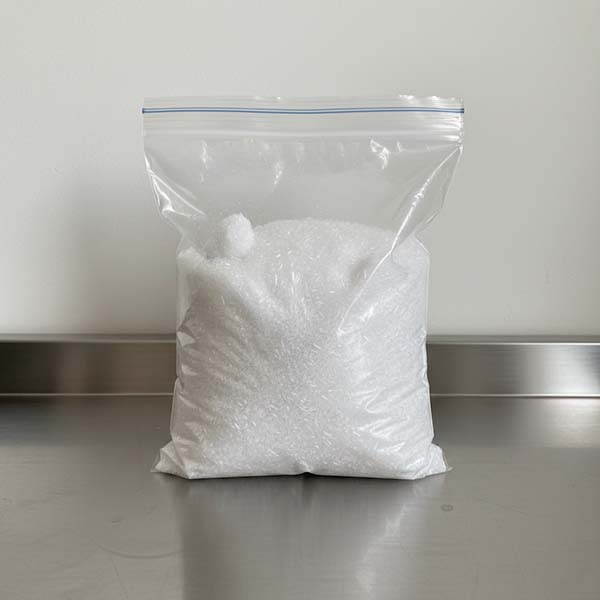
Despite this, ketamine remains widely available. People often sell it as a white crystalline powder or press it into tablets. People also frequently encounter it in the context of research chemicals and alongside other psychedelics.
For those who want to explore related substances, browse our research chemicals.
Or try our mushroom chocolate bars for a different psychedelic experience.
Frequently Asked Questions
Can you build a tolerance to snorted ketamine?
Yes. Tolerance to ketamine develops rapidly, often within days of regular use. This is known as tachyphylaxis. Taking a break of a few days to a week can help reset your tolerance levels.
Does snorting ketamine hurt?
It can cause a stinging or burning feeling, especially if the powder is pure or if your nasal passages are dry. Using a saline spray before and after can help mitigate this.
Is ketamine addictive?
Yes. Both psychological and physical dependence can develop with regular use. The rapid onset of intranasal administration can reinforce the habit loop more strongly than oral routes.
What is the “K-hole”?
The K-hole is a deep state of dissociation where the user feels fully detached from their body and surroundings. People more commonly achieve it with higher IV/IM doses, but they can reach it by snorting doses above 150 mg.
Final Thoughts
Snorting ketamine is an efficient way to experience its dissociative effects quickly. It offers a balance between the intensity of injection and the convenience of oral use. However, users should be mindful of nasal health, hydration and the potential for rapid tolerance buildup.
To compare other substances, visit our shop.
Browse our catalog to find high-quality research materials. For more information on our company and values, check out our about us page.
- Shop our research chemicals
- Explore mushroom chocolate bars
- Read customer testimonials
- Contact us
- Learn about Psilonaut Trips UK
FAQ:
- How fast does snorted ketamine kick in?
Effects typically begin within 5 to 15 minutes, with peak intensity occurring 30–60 minutes after administration.
- What are the side effects of snorting ketamine?
Common side effects include nasal irritation, dry mouth, nausea and temporary motor impairment. Long-term use may lead to urinary issues.
- Is snorting ketamine safe?
It is generally seen as lower risk than opioids. Risks include nasal damage, choking if vomiting occurs, and dependence with frequent use.
- How long do the effects last?
The primary effects last between 1.5 and 2.5 hours, with residual grogginess potentially lasting longer.